
When medicines, vaccines, blood samples, or other temperature-sensitive products are transported, knowing the temperature is only part of the problem. You also need to know where the shipment is and whether conditions changed during transit.
A 4G GPS temperature data logger combines temperature monitoring with location tracking, making it easier to monitor sensitive shipments remotely.
Why Temperature Monitoring During Transport Matters
Temperature can change quickly during transportation because of:
- Vehicle refrigeration problems
- Door opening
- Power interruptions
- Delays at warehouses or checkpoints
- Poor loading practices
- Changes in outside temperature
Without continuous monitoring, these temperature excursions may only be discovered after the shipment reaches its destination.
What Does a 4G GPS Temperature Data Logger Do?
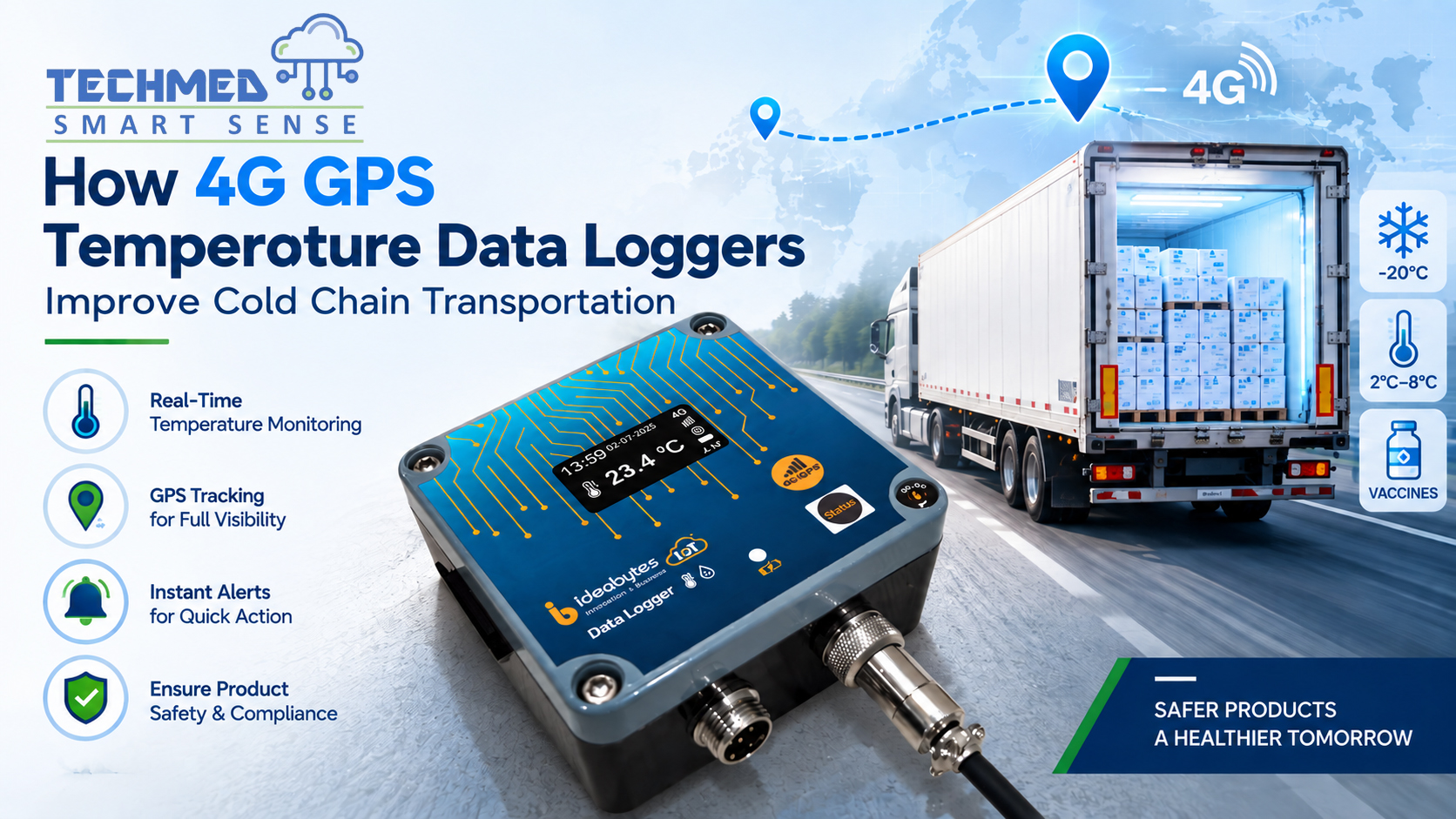
A 4G GPS temperature data logger continuously records temperature and sends monitoring data through a cellular network.
GPS adds another important layer — location visibility.
This means businesses can monitor:
- Current temperature
- Shipment location
- Temperature trends
- Alarm conditions
- Historical records
Instead of waiting for the shipment to arrive, teams can identify problems while goods are still in transit.
Key Benefits for Cold Chain Logistics
1. Real-Time Monitoring
Temperature data can be viewed remotely through a web or mobile platform, helping teams respond faster when conditions move outside the required range.
2. Location Tracking
GPS helps identify where a shipment or mobile asset is located, which is particularly useful for pharmaceutical and medical logistics.
3. Instant Alerts
Temperature violations can trigger alerts, allowing staff to investigate a problem before it results in product loss.
4. Historical Temperature Records
Recorded data provides a clear history of the shipment’s temperature conditions and can support documentation and compliance requirements.
5. Backup During Connectivity Problems
A good logger should continue storing readings locally when network connectivity is temporarily unavailable and synchronize data when communication is restored.
Where Can It Be Used?
4G GPS temperature monitoring can be useful for:
- Pharmaceutical transportation
- Vaccine and medical logistics
- Blood and biological sample transportation
- Cold chain shipments
- Food and perishable goods
- Temperature-controlled vehicles
- Laboratory sample movement
Choose the Right Monitoring Solution
For transportation, a temperature logger should offer more than just temperature recording. 4G connectivity, GPS tracking, alerts, data storage and reporting can make the monitoring process much more reliable.
Techmed Smart Sense provides temperature monitoring solutions designed for applications where continuous monitoring and remote visibility are important. Explore our data loggers in Delhi for different temperature monitoring requirements.
Conclusion
Cold chain transportation doesn’t end when the product leaves the warehouse. Temperature conditions can change at any point during transit.
A 4G GPS temperature data logger helps businesses track both temperature and location, giving them better visibility over temperature-sensitive shipments and allowing them to react quickly when something goes wrong.