- Mon - Sat: 9am - 7pm
- gunwant@techmedsales.com


Category: Pharmaceutical Temperature Monitoring
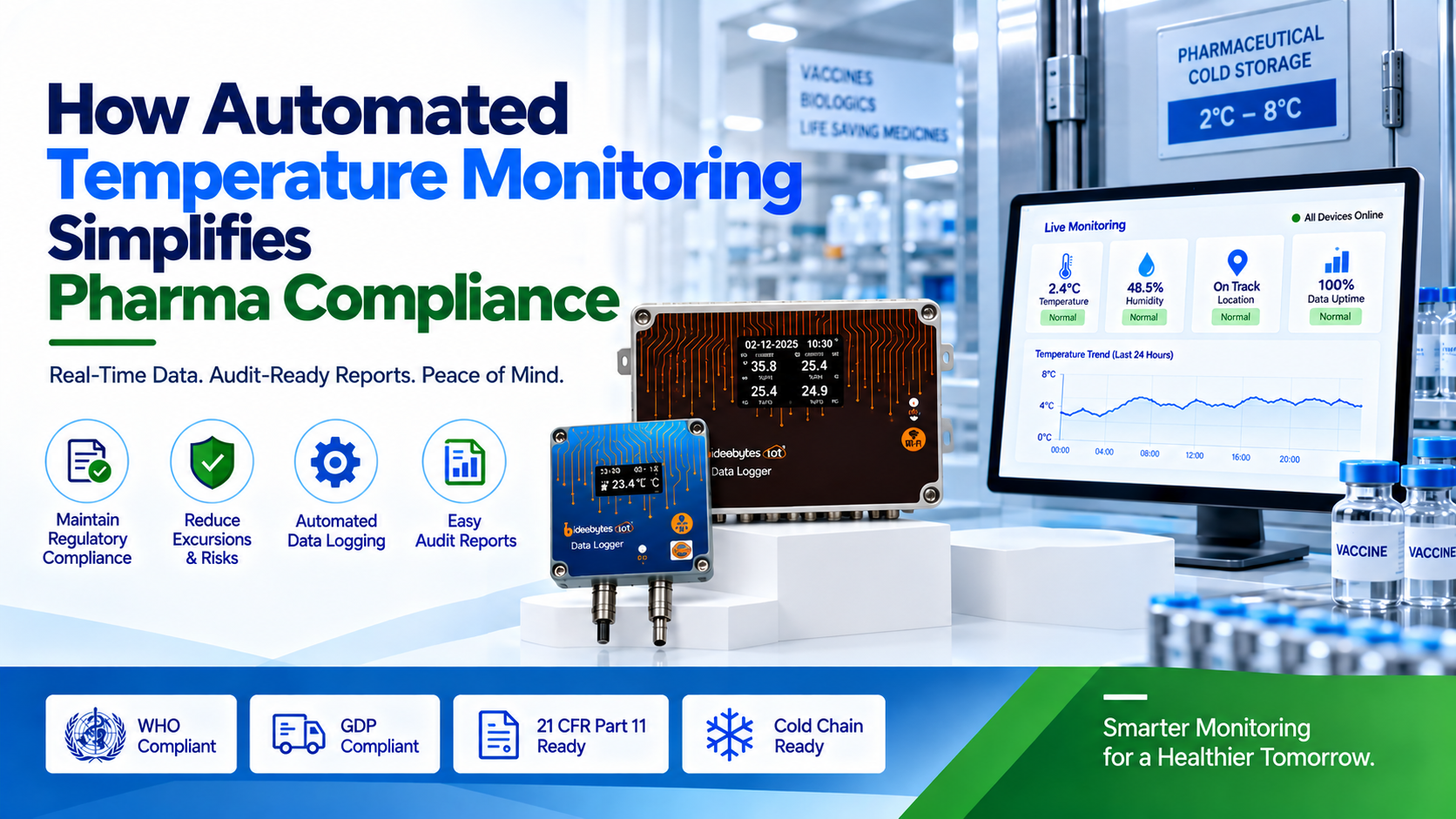
How Automated Temperature Monitoring Simplifies Pharma Compliance
Pharmaceutical companies deal with two responsibilities at the same time: protecting product quality and maintaining reliable records. Temperature-sensitive medicines, vaccines, samples, and raw materials may need controlled environmental conditions throughout storage and manufacturing. The challenge becomes much greater when monitoring is spread across multiple rooms, refrigerators, warehouses, or facilities. Manual temperature logs can make this process harder to manage. The Problem With Manual Temperature Records A traditional monitoring process may involve employees checking temperature displays and entering readings into spreadsheets or paper logs. This creates several practical problems: When hundreds or thousands of monitoring points are involved, managing everything manually
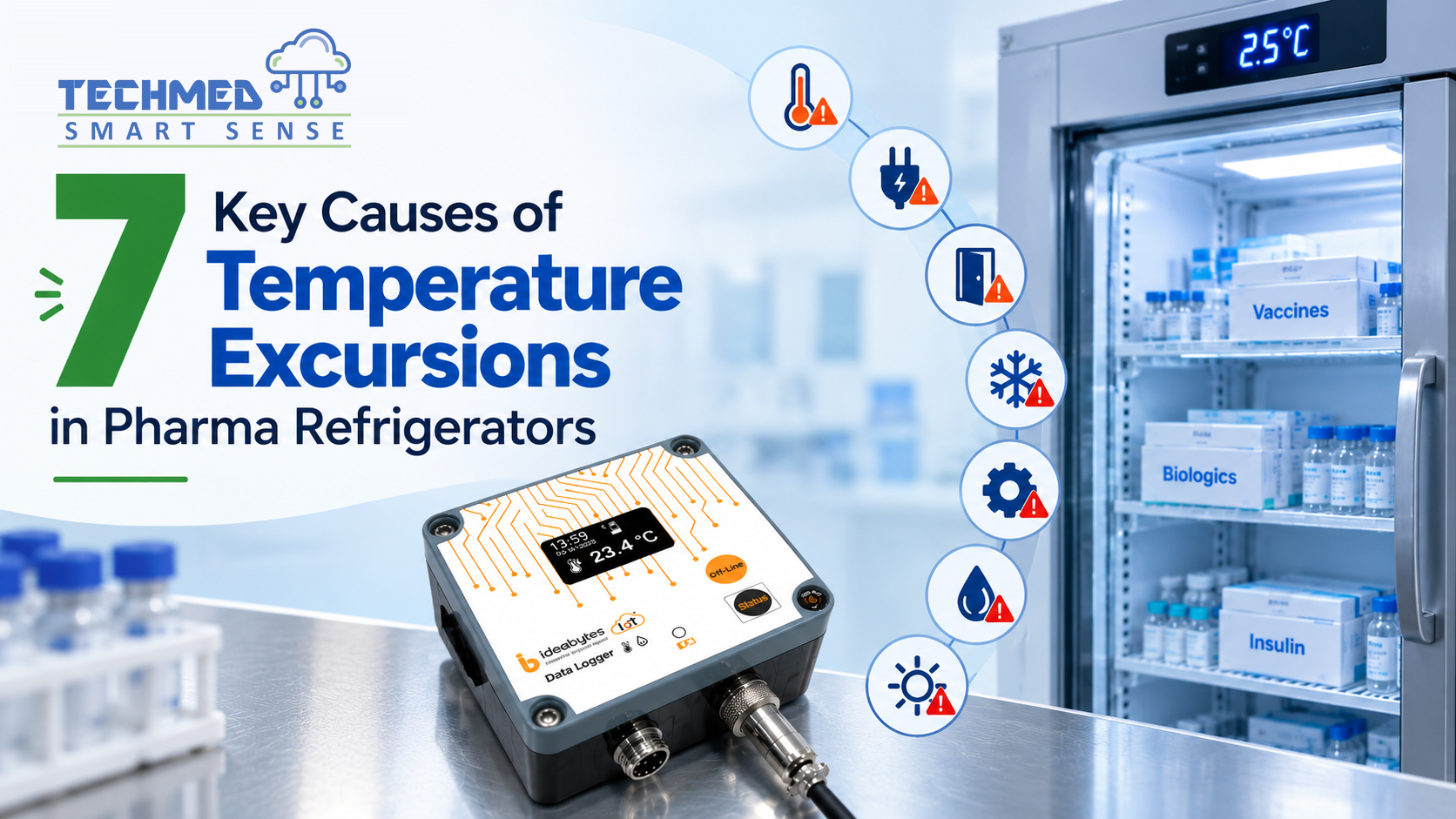
7 Key Causes of Temperature Excursions in Pharma Refrigerator
A pharmaceutical refrigerator can show the correct temperature in the morning and still have a serious problem. Maybe the door was left open overnight. Maybe there was a power cut. Maybe the compressor stopped working for a few hours. Without continuous monitoring, you may never know exactly when the problem started. For medicines, vaccines, and other temperature-sensitive products, these unnoticed changes can lead to product loss and unnecessary investigation. So, what actually causes temperature excursions in pharmaceutical refrigerators? 1. Refrigerator Door Left Open This is one of the simplest—and most common—causes. A refrigerator door that remains open for too long