- Mon - Sat: 9am - 7pm
- gunwant@techmedsales.com

Author: Techmedsmartsense
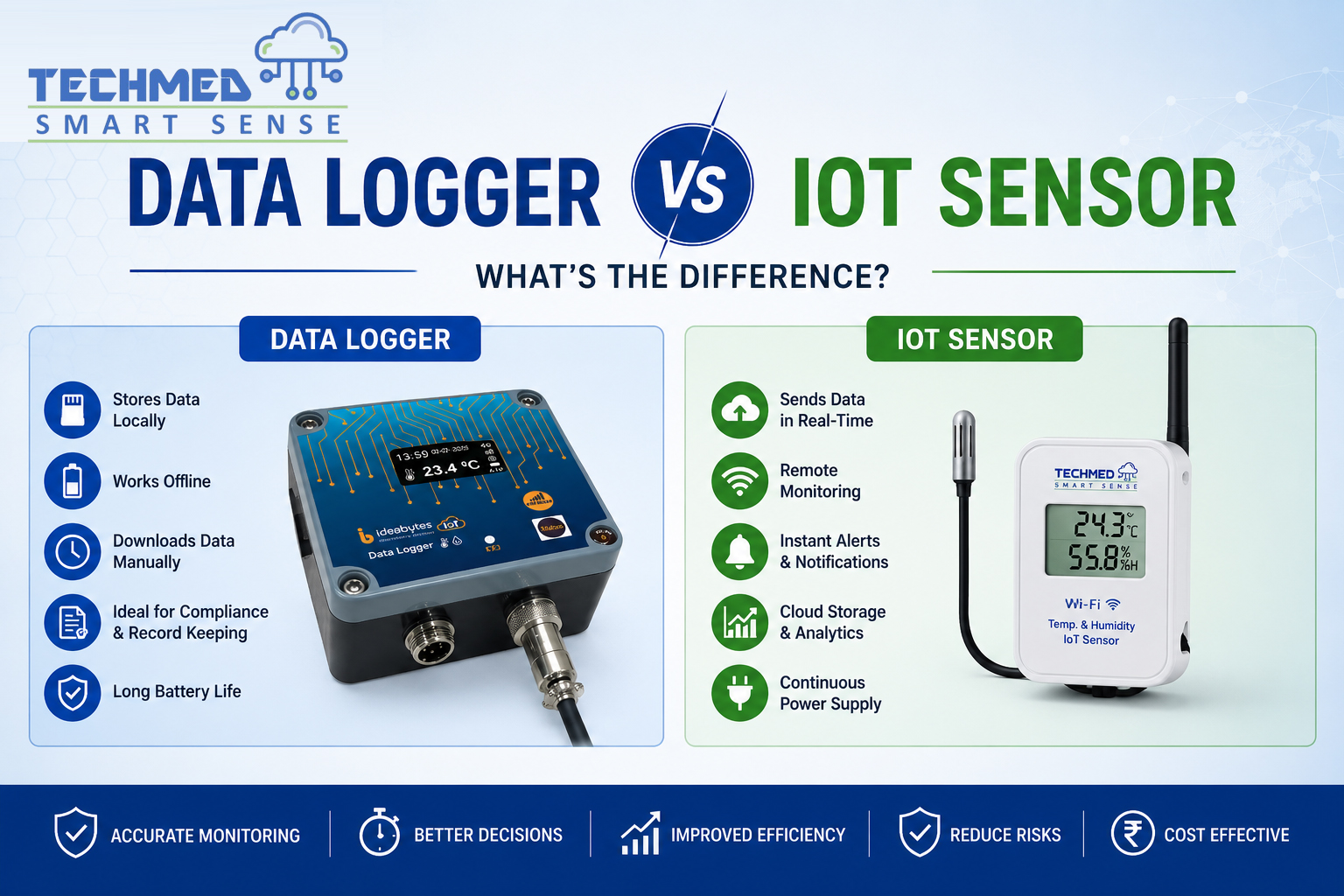
Data Logger vs IoT Sensor: What’s the Difference?
Temperature monitoring has become important for pharmaceutical companies, hospitals, laboratories, cold rooms, warehouses, and food businesses. But when choosing a monitoring solution, one question often comes up: Should you use a data logger or an IoT sensor? Although both can monitor temperature and humidity, they work differently and are designed for different requirements. Understanding the difference can help you choose the right solution for your business. What Is a Data Logger? A data logger is a device that measures and records parameters such as temperature and humidity at regular intervals. The information is usually stored inside the device and can
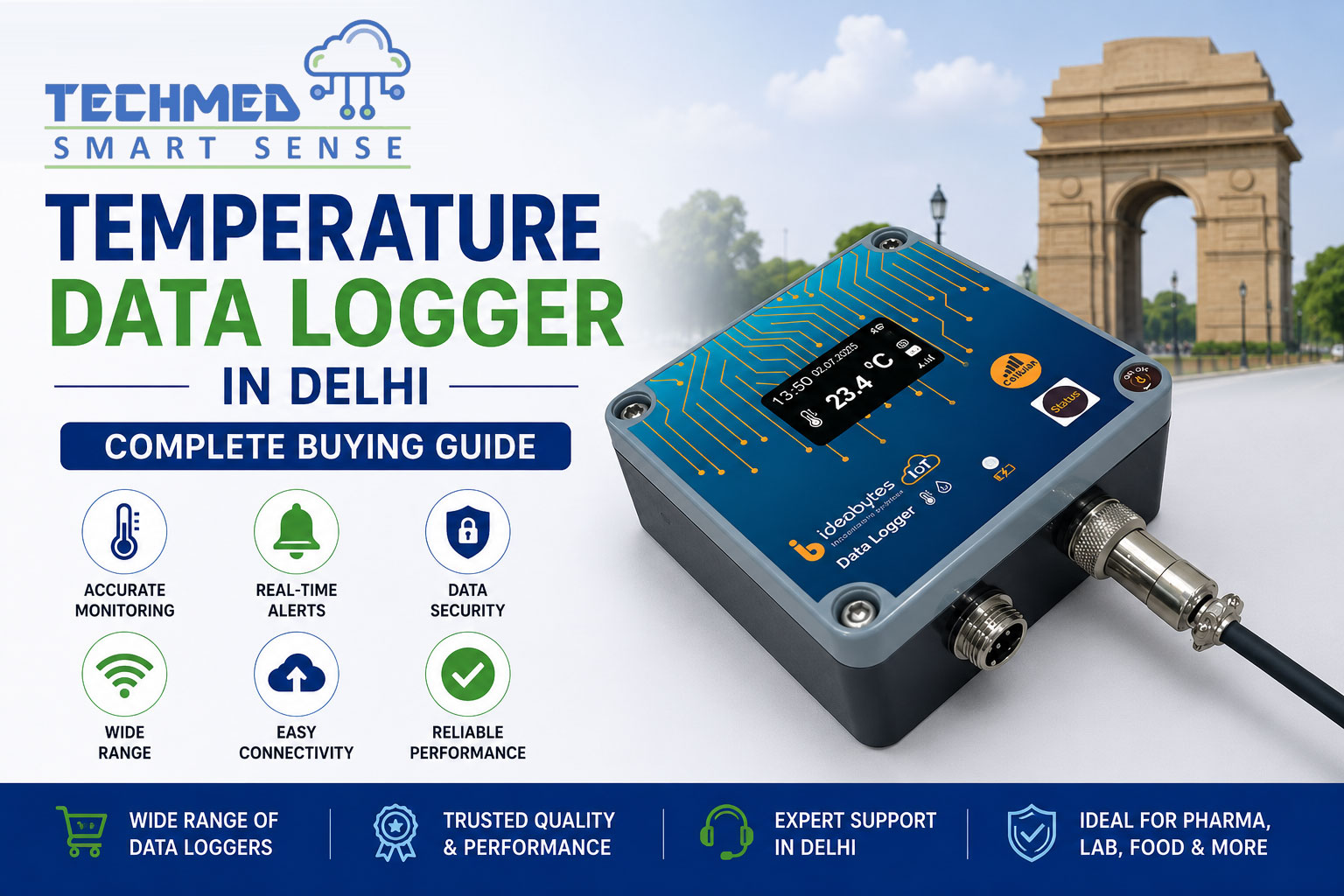
Temperature Data Logger in Delhi: Complete Buying Guide
Choosing the right temperature data logger can be confusing. There are USB loggers, Wi-Fi loggers, 4G systems, remote monitoring devices, and different sensor options. The right choice depends on where you want to use it and what you need to monitor. If you’re looking for a temperature data logger in Delhi, this simple buying guide will help you understand what to look for before purchasing. What Is a Temperature Data Logger? A temperature data logger is a device that automatically measures and records temperature at regular intervals. Unlike a normal thermometer that only shows the current temperature, a data logger
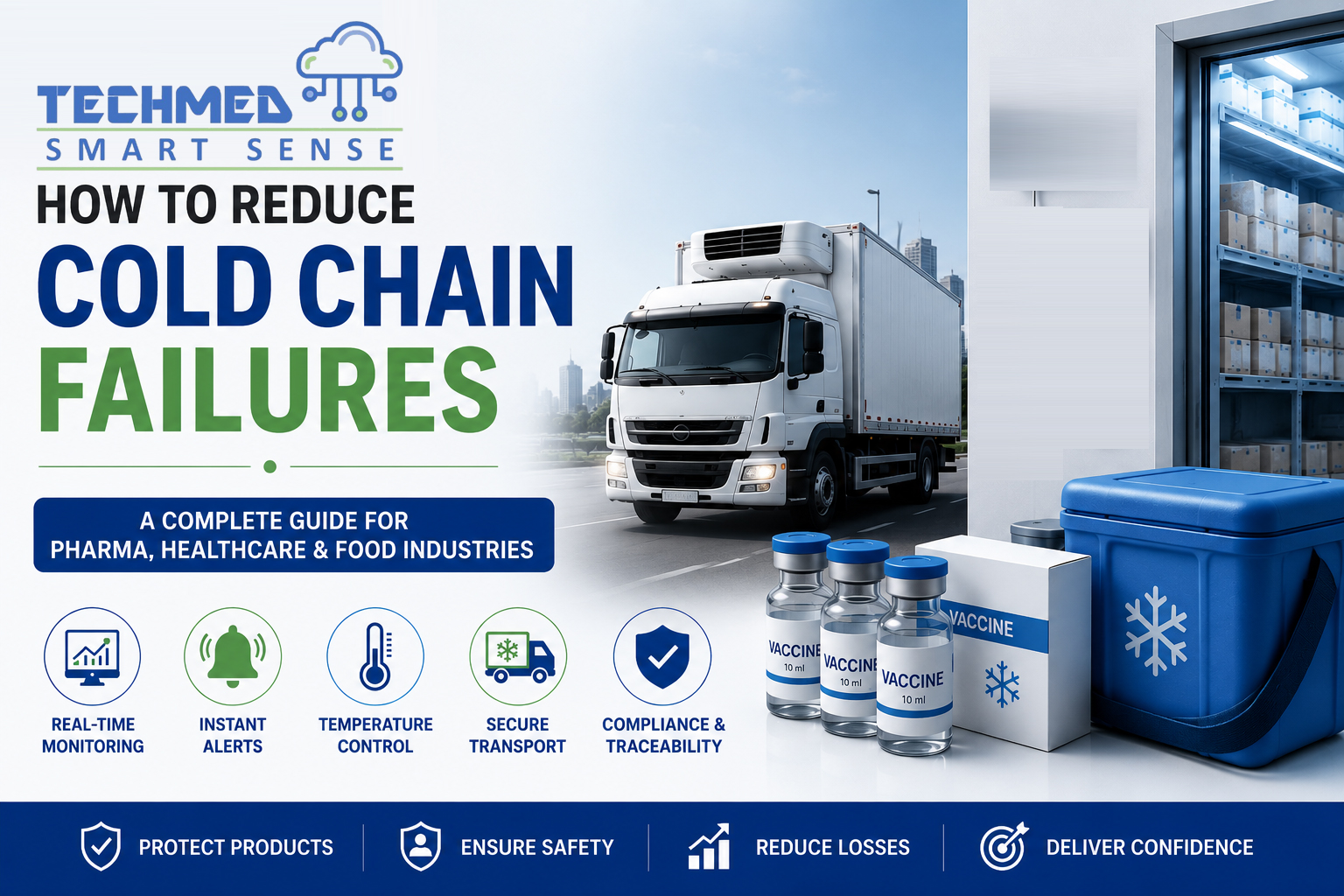
How to Reduce Cold Chain Failures: A Complete Guide for Pharma, Healthcare & Food Industries
Every year, businesses lose millions because of cold chain failures. Vaccines lose their potency, medicines become ineffective, food products spoil, and sensitive laboratory samples are damaged—all because the right temperature wasn’t maintained during storage or transportation. The biggest challenge is that most cold chain failures aren’t caused by major disasters. They often begin with small issues like a power outage, a faulty refrigerator, or delayed response to a temperature alarm. The good news? Most of these failures can be prevented with the right monitoring system and operational practices. Businesses investing in data loggers in Delhi are significantly improving product safety
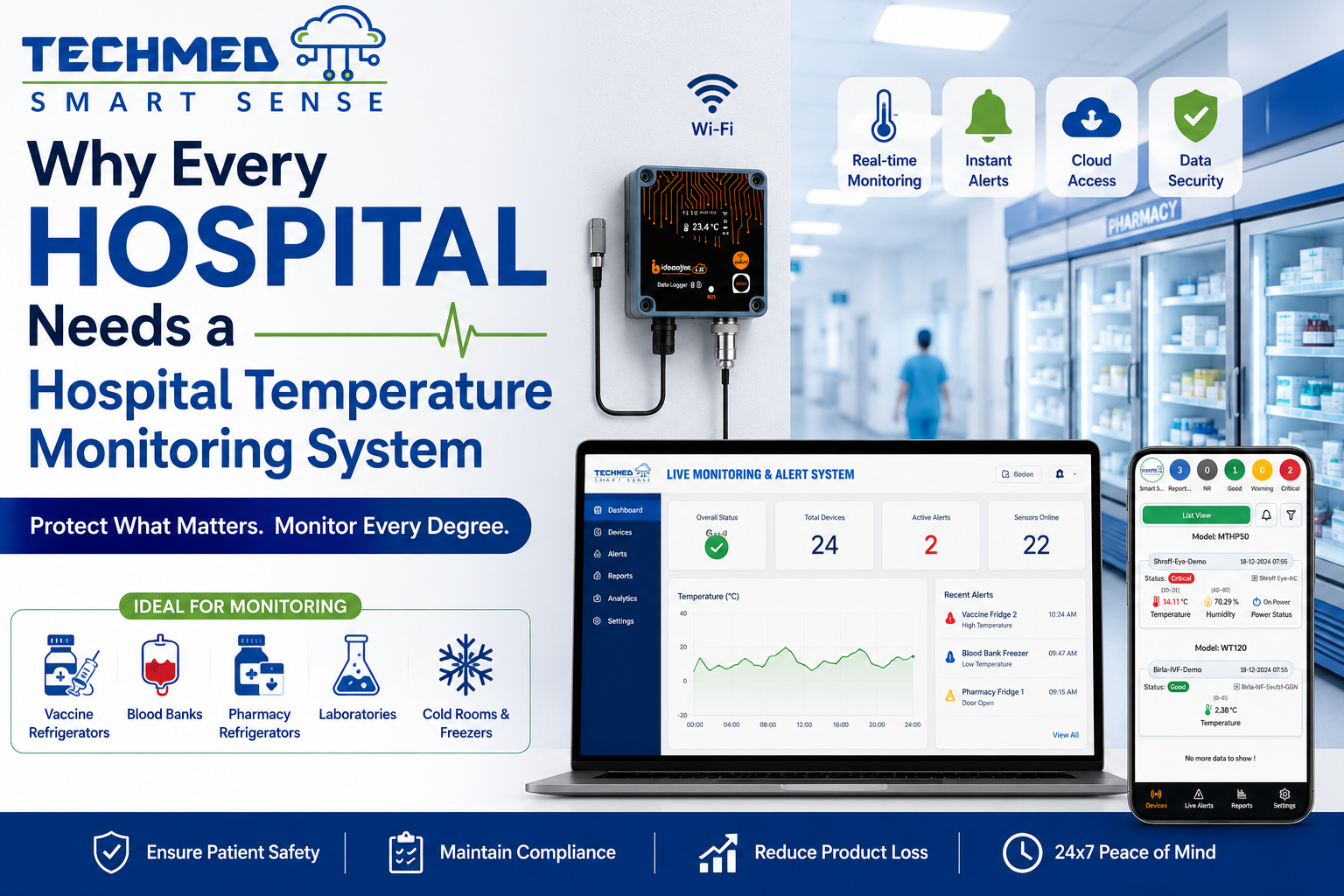
Why Every Hospital Needs a Hospital Temperature Monitoring System
In today’s healthcare environment, a Hospital Temperature Monitoring System is essential for ensuring patient safety, protecting valuable medicines, and maintaining regulatory compliance. Hospitals store temperature-sensitive products such as vaccines, blood products, laboratory samples, and medicines that require continuous monitoring. A modern Temperature Monitoring System combined with a Temperature Data Logger helps hospitals monitor storage conditions 24/7, receive instant alerts, and generate audit-ready reports. Whether you operate a small clinic or a large healthcare facility, investing in a Hospital Temperature Monitoring System significantly reduces the risk of product loss. Why Temperature Monitoring is Critical in Hospitals Every hospital depends on accurate
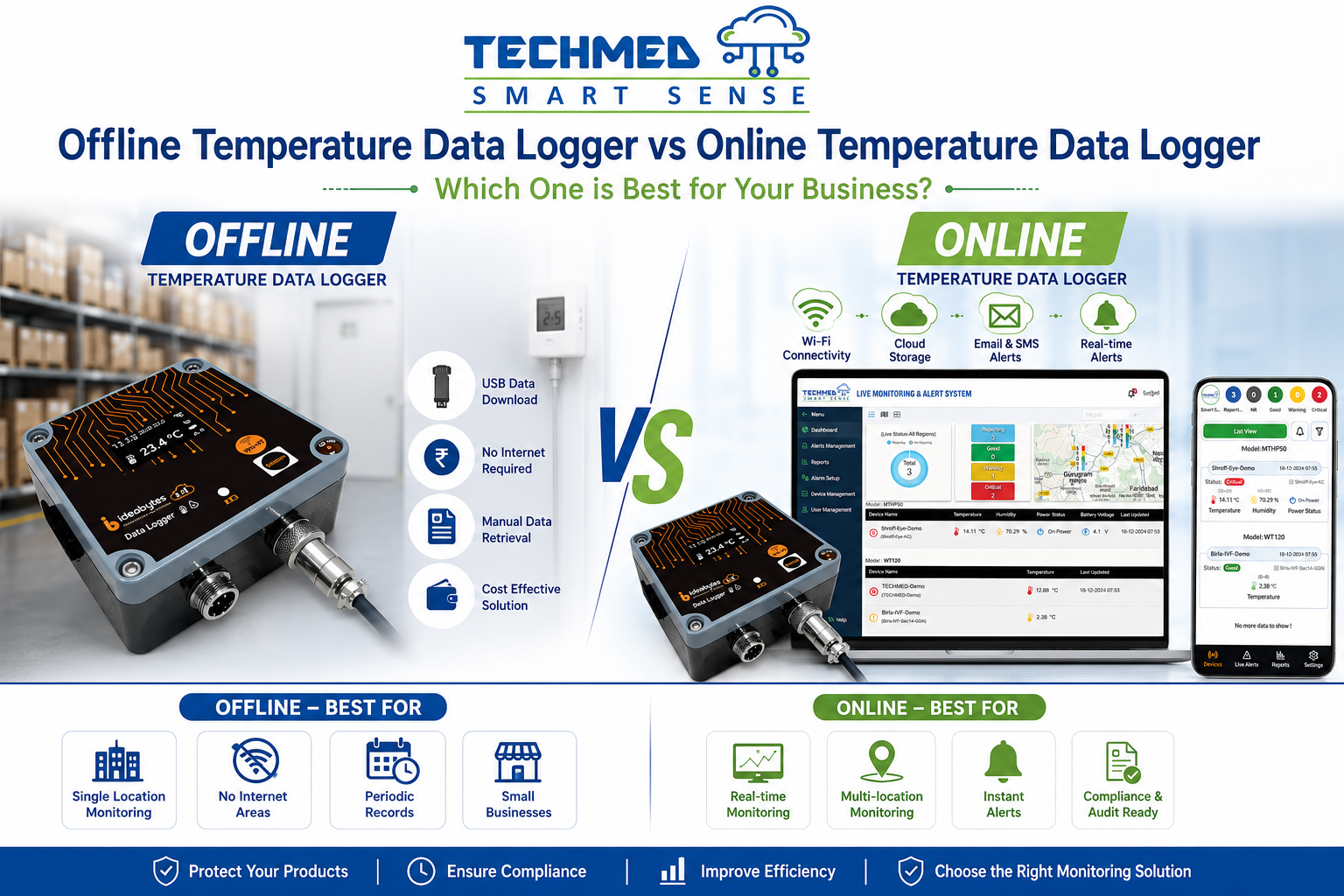
Offline Temperature Data Logger vs Online Temperature Data Logger: Which One is Best for Your Business?
Maintaining the correct temperature is essential in industries such as pharmaceuticals, healthcare, laboratories, food processing, cold storage, and logistics. Even a slight temperature variation can lead to product spoilage, financial losses, or regulatory non-compliance. This is where Temperature Data Loggers play a crucial role. However, businesses often face a common question: Should you choose an Offline Temperature Data Logger or an Online Temperature Data Logger? In this comprehensive guide, we’ll compare both technologies, their advantages, limitations, applications, and help you determine the right solution for your organization. What is an Offline Temperature Data Logger? An Offline Temperature Data Logger is
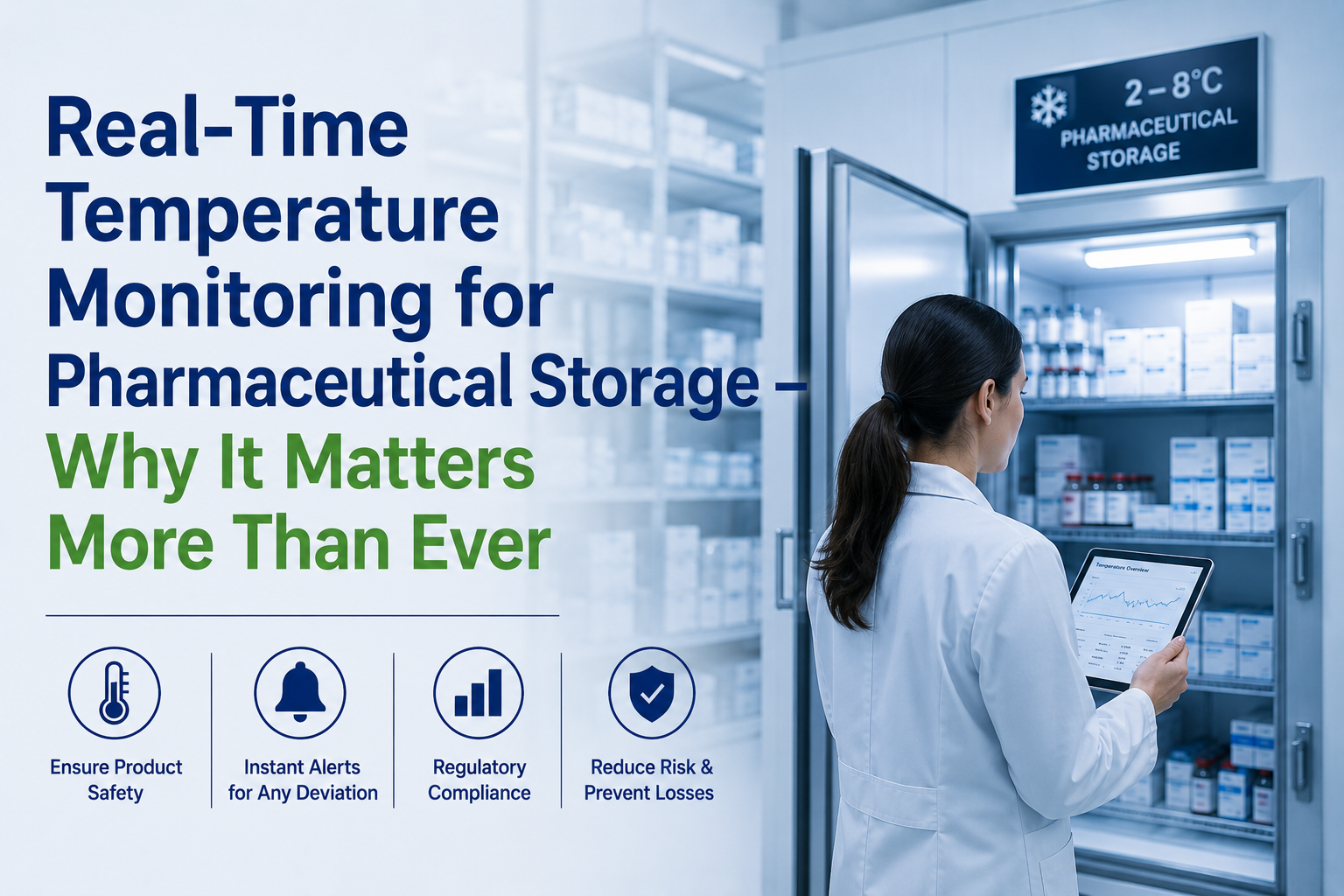
Real-Time Temperature Monitoring for Pharmaceutical Storage – Why It Matters More Than Ever
A refrigerator showing 5°C may seem perfectly normal. But what happened during the last 12 hours? Did the temperature briefly rise to 12°C during a power fluctuation? Did the cold room door remain open longer than expected? Did the refrigeration system struggle overnight? These are the questions that manual temperature checks cannot answer. For pharmaceutical companies, hospitals, distributors, and healthcare facilities, maintaining the correct storage temperature is critical. Even short temperature excursions can affect product quality, compliance, and patient safety. This is why many organizations are moving toward real-time monitoring using data loggers in Delhi. The Hidden Risk in Pharmaceutical

Data Logger in Delhi – Why Businesses Are Switching to Smart Monitoring Solutions
In today’s industries, data is everything. Whether you’re storing vaccines, monitoring a cold room, managing a laboratory, or operating a warehouse, even a small temperature fluctuation can result in product loss, compliance issues, and financial damage. This is why businesses are increasingly investing in reliable data loggers in Delhi to monitor environmental conditions accurately and continuously. From pharmaceutical companies and hospitals to food processing units and research laboratories, data loggers have become an essential part of modern monitoring systems. What is a Data Logger? A data logger is an electronic device that automatically records environmental parameters such as: Instead of

Why Pharma Cold Rooms Fail Without Proper Wi-Fi Monitoring
A cold room may look perfectly fine from the outside. The cooling system is running, the display shows the right temperature, and everything appears normal. But in pharmaceutical storage, problems often begin long before anyone notices them. Many pharma companies still depend on manual temperature checks or basic monitoring systems. The issue is simple — temperature fluctuations don’t wait for working hours. A small overnight deviation can affect medicines, vaccines, biologics, or sensitive samples without any visible warning. This is why more facilities are shifting to smart data loggers in Delhi with Wi-Fi and remote monitoring capabilities. The Real Problem

How Temperature Fluctuations in Blood Bank Refrigerators Can Risk Patient Safety
Blood banks play a critical role in healthcare, where even a small mistake in storage conditions can lead to serious consequences. One of the biggest challenges faced by hospitals and blood banks is maintaining a stable temperature inside blood storage refrigerators. A minor temperature fluctuation can damage blood components, reduce their effectiveness, and increase the risk of wastage. This is why healthcare facilities are now adopting advanced data loggers in Delhi to ensure safe and continuous blood storage monitoring. The Hidden Problem in Blood Storage Many hospitals still rely on manual temperature checks performed only a few times a day.
Medical Refrigerator Data Logger in Delhi – Smart Temperature Monitoring for Healthcare
In hospitals, laboratories, pharmacies, and healthcare facilities, maintaining the correct refrigerator temperature is essential for storing vaccines, medicines, blood samples, and medical products safely. A medical refrigerator data logger in Delhi helps healthcare facilities monitor temperature continuously and prevent product spoilage. If you’re looking for reliable data loggers in Delhi, advanced monitoring systems ensure accurate temperature tracking, compliance, and patient safety. What is a Medical Refrigerator Data Logger? A medical refrigerator data logger is a device that continuously records refrigerator temperature and stores the data for monitoring, reporting, and compliance purposes. Healthcare facilities often use a temperature monitoring device Delhi